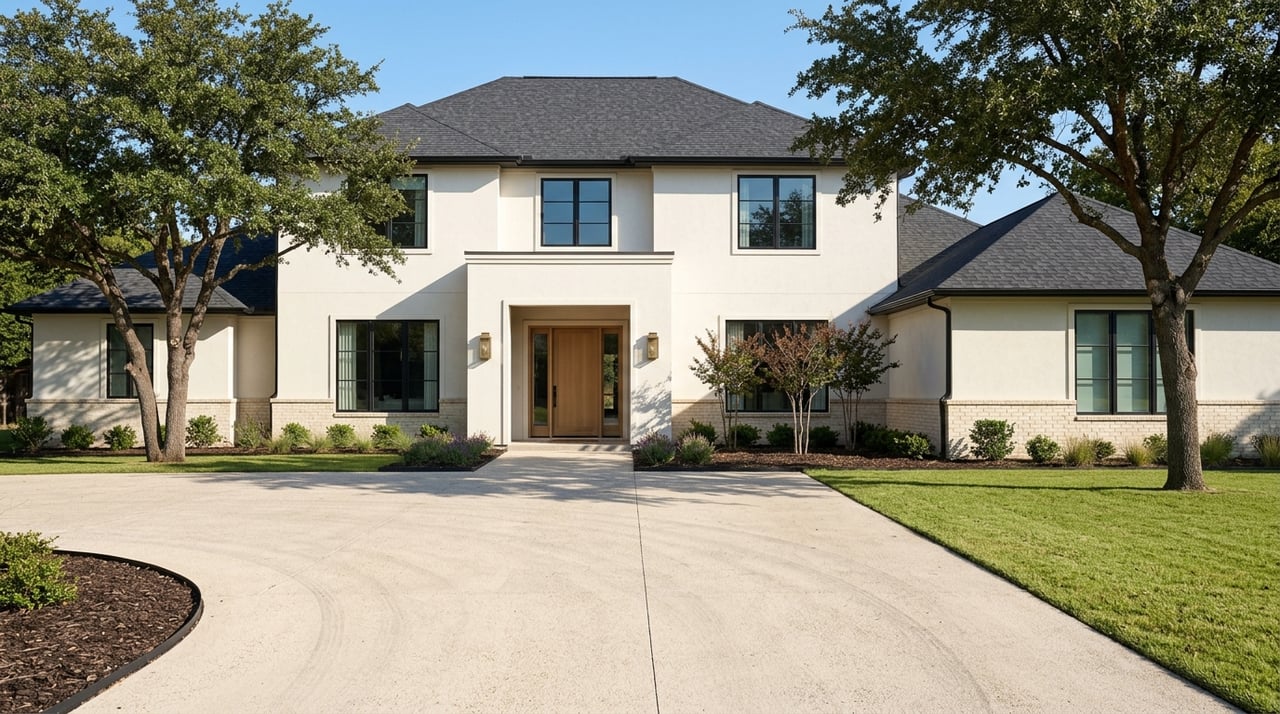
A Buyer’s Guide To Master-Planned vs. Acreage Living In Celina
Trying to choose between a polished master-planned neighborhood and a more independent acreage property in Celina? You are not alone. In a fast-growing market like Celina, the type of property you buy can shape your daily routine, upkeep, flexibility, and resale experience just as much as the price. This guide will help you compare the tradeoffs clearly so you can choose the lifestyle that fits you best. Let’s dive in.
Celina is growing quickly, which makes housing choice especially important. The city reports 64,726 residents as of January 1, 2025, and Census QuickFacts lists 51,661 residents as of July 1, 2024, up from 16,739 at the 2020 Census.
That kind of growth affects how neighborhoods are built, how roads and utilities expand, and what your ownership experience may feel like over time. Celina also spans 78 square miles, and the city highlights master-planned communities as a key part of its local map tools, which shows how central that housing type is in the market.
Celina’s planning approach also matters here. The city’s long-range plans focus on managed growth, infrastructure, and preservation of agricultural heritage, which helps explain why buyers often find both structured neighborhood options and semi-rural land opportunities in the same broader area.
Master-planned living is usually the more structured option. In Celina, many of these neighborhoods are approved under customized zoning standards, and city review processes for single-family master-planned developments often coordinate items like addressing, street layout, and utilities as part of the platting process.
For you as a buyer, that often means a more predictable neighborhood environment. Streets, lot layouts, and common spaces are typically planned together rather than evolving property by property.
Many buyers are drawn to master-planned communities because they simplify daily living. If you want a neighborhood setting with organized amenities and a more standardized ownership experience, this model can be appealing.
Celina’s planning materials also emphasize trails, parks, and connected public spaces, and the city continues investing in park and trail assets. That can support the amenity-focused feel many buyers want when they choose this type of home.
Common advantages may include:
Many master-planned neighborhoods involve a homeowners association or property owners association. In Texas, if a property is subject to mandatory POA membership, that is addressed through dedicated transaction paperwork, and Texas Property Code Chapter 204 allows a POA to regulate subdivision use, maintenance, appearance, common-area improvements, and assessments.
In practical terms, that often means some upkeep responsibilities are bundled into dues, but it also means you may have rules that affect how you use or maintain the property. Before you buy, it is worth reviewing dues, assessment history, maintenance responsibilities, and any appearance or use restrictions.
Convenience usually comes with tradeoffs. Master-planned living often means more density, more neighborhood rules, and less independence than an acreage property.
You may also feel the effects of growth more directly. Celina is actively working on road projects including Celina Parkway, FM 428, and Preston Road, so even attractive, well-located neighborhoods can be influenced by nearby construction, traffic shifts, and long-term regional buildout.
Acreage and semi-rural living offer a different kind of value. If you want more space, more privacy, and more separation from the standard subdivision model, this option may feel like a better fit.
Celina’s long-range vision includes preserving agricultural heritage, which supports the idea that not every buyer wants the same suburban pattern. In this market, acreage is less about fitting into a preplanned neighborhood and more about managing a property with site-specific needs.
The biggest draw is usually independence. You may have more flexibility in how the property feels and functions day to day, along with more distance from nearby homes and common neighborhood activity.
Acreage can appeal if you value:
With acreage, the details matter more before you buy. Water, wastewater, road access, and lot layout all need to work together, and you should verify those items early rather than assume they will be simple.
Collin County states that if a property is outside city limits, the buyer generally needs an on-site sewage facility permit through the county. Even inside city limits, a permit may still be required depending on the city’s authorized-agent status. TCEQ also states that most on-site sewage facilities require a permit before construction or alteration and must be designed around site conditions.
That means a beautiful piece of land is not enough by itself. You need to confirm whether the site can support the wastewater solution you expect.
If the property uses a private well, that adds another layer of planning. Texas groundwater guidance recommends asking where the well is located in relation to property boundaries and septic systems, which is a practical reminder that the layout of the site matters.
Ongoing upkeep is also different. On acreage, if the home relies on private systems, you are generally taking on more of the testing, service, and maintenance responsibility yourself rather than relying on an HOA to manage shared systems or common spaces.
Road access can affect both daily convenience and resale. Collin County handles road and bridge maintenance in unincorporated areas, so if you are considering acreage, it is smart to confirm who maintains the road, what access looks like during heavy rain or repairs, and whether future construction could affect the route in or out.
This is one of those details buyers sometimes overlook at first. Yet it can become very important once you are living there or preparing to sell later.
It is easy to compare two properties by list price and monthly payment, but that does not tell the full story. In Celina, the better comparison is total ownership cost.
A master-planned home may come with HOA or POA dues, possible assessments, and transfer-related paperwork. An acreage property may reduce or avoid dues, but it can increase costs tied to septic service, well maintenance, fencing, driveway upkeep, and road access.
Here is a simple way to think about it:
| Property Type | Common Ongoing Costs To Review |
|---|---|
| Master-planned home | HOA or POA dues, assessments, shared-area costs, rule compliance expenses |
| Acreage property | Septic service, well maintenance, fencing, driveway upkeep, access-related costs |
Neither option is automatically cheaper in every case. The more useful question is which cost structure feels more manageable and predictable for you.
The choice between master-planned and acreage living is not really about which one is better. It is about which tradeoffs match your priorities.
A master-planned home may be the better fit if you want amenities, a neighborhood setting, and a more standardized ownership experience. Acreage may be the better fit if you value privacy, independence, and are comfortable handling more site-specific decisions and upkeep.
Think about your day-to-day life, not just the showing. Ask yourself how much maintenance you want to manage, how flexible your commute needs to be, and whether you prefer predictable neighborhood structure or more breathing room.
Resale matters even when you plan to stay for years. In a fast-growing city like Celina, buyer demand can support both well-located master-planned homes and acreage properties, but each tends to attract a different buyer pool.
In general, a home that aligns with the broadest group of local buyers may be easier to position later, and in Celina that often favors a well-located master-planned home with predictable upkeep and amenities. At the same time, acreage can also resell well because some buyers specifically want land, privacy, and a less conventional setup.
The key is to buy with a clear understanding of who your likely future buyer may be. When your purchase matches both your current needs and a realistic resale audience, you are making a more strategic decision.
If you are weighing these options in Celina, a calm side-by-side review can save you time and help you avoid expensive assumptions. For personalized guidance on neighborhoods, new construction, resale homes, and buyer strategy in North Texas, connect with Rene Burchell.
When it comes to your real estate needs, you should work with only the best. Whether it is buying, selling, renting, second homes, investing, or more, my team and I are happy to guide and advise you along the way. Contact us now!